It’s often a difficult task for quality professionals and engineers to ascertain the hardness of a metal such as copper just by sight. Often, the requirements of specifying a metal for a specific design purpose often depend on critical factors that include the hardness of the material. As one of the most used metals in the manufacturing and engineering industry, copper’s material property is often required, and its hardness is a primary identifier of its suitability for many industrial processes. Want to know how to test the hardness of copper? Then read on.
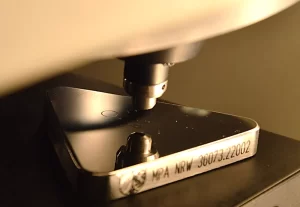
I. What is the Hardness of a Metal?
The ability of a material to maintain its durability relies on its hardness and a very hard metal often lasts longer than a softer material under the same condition. Hence, the hardness of a metal can be described as its ability to resist external forces and loads that can cause its deformation and other external injuries to the metal. These injuries can include wear and tear, abrasion, and surface dents that can affect its efficiency and aesthetics. Determining the hardness of a metal helps designers to calculate its tensile strength which helps to provide a suitable material for a specific design or use case.
II. What is the Hardness of Copper?
The hardness of copper is its ability to resist the application of external forces that might be responsible for damage or inefficiency of the copper material. Copper is naturally soft, and it is
