Home   >   Blog

Static vs. Dynamic Hardness Testing

In this blog post, you’ll read:Static and dynamic hardness testing are the two categories of hardness testing based on the load application have their specific application. You should be sure that you are aware of these differences to take full advantage of these hardness testing methods when selecting the appropriate testing method when measuring your material hardness.

Table of Contents

I. What is the Static Hardness Test?

Sometimes the need to choose the right hardness test for materials can lead you to categorize the available hardness test methods based on their load application technique. A hardness test that applies the load using an indenter on the material’s surface to cause an indentation is often known as a static hardness test. 

The indenter employed in these tests is often ball-shaped or pyramid-shaped diamond indenters. Additionally, these test methods are often the most popular hardness tests, including Vickers, Knoop, Rockwell, and Brinell hardness tests. The hardness of the material using these tests is dictated by the impact of the load on the material surface and the area of depression on the material on the removal of the load. 
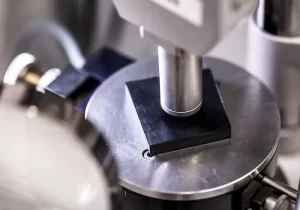
 

Static Hardness Test

II. Applications of Static Hardness Test 

Static hardness tests are often applied to stationary materials and test samples and adequately clamped on a support platform to restrict movements. These sample movements can significantly affect the accuracy of the results of these static tests. Also, the material samples have to be cut from the main material for the test and, as such, are often available in laboratories and testing facilities. This lack of portability makes them more suitable for the small-sized material hardness test. 


Related Article: Principle and Applications of the Vickers Method

Related Article: Principle and Applications of the Brinell Method


</